
S’établir au Luxembourg
Les brochures Bienvenue au Luxembourg – Welcome to Luxembourg
L’ASTI a édité différentes brochures d’information sur le Luxembourg en langues albanaise, anglaise, chinoise, française, persane, portugaise, serbe, farsi, arabe et russe.
L’objectif de ces brochures est de permettre de mieux se retrouver par rapport aux principales lois et administrations luxembourgeoises. Les thèmes sont abordés de manière simple et pratique, les adresses importantes et les liens utiles pour faire des recherches plus approfondies accompagnent toujours le sujet. Il s’agit de faciliter l’accès aux droits, devoirs et informations essentiels pour bien se repérer dans notre pays culturellement différent.

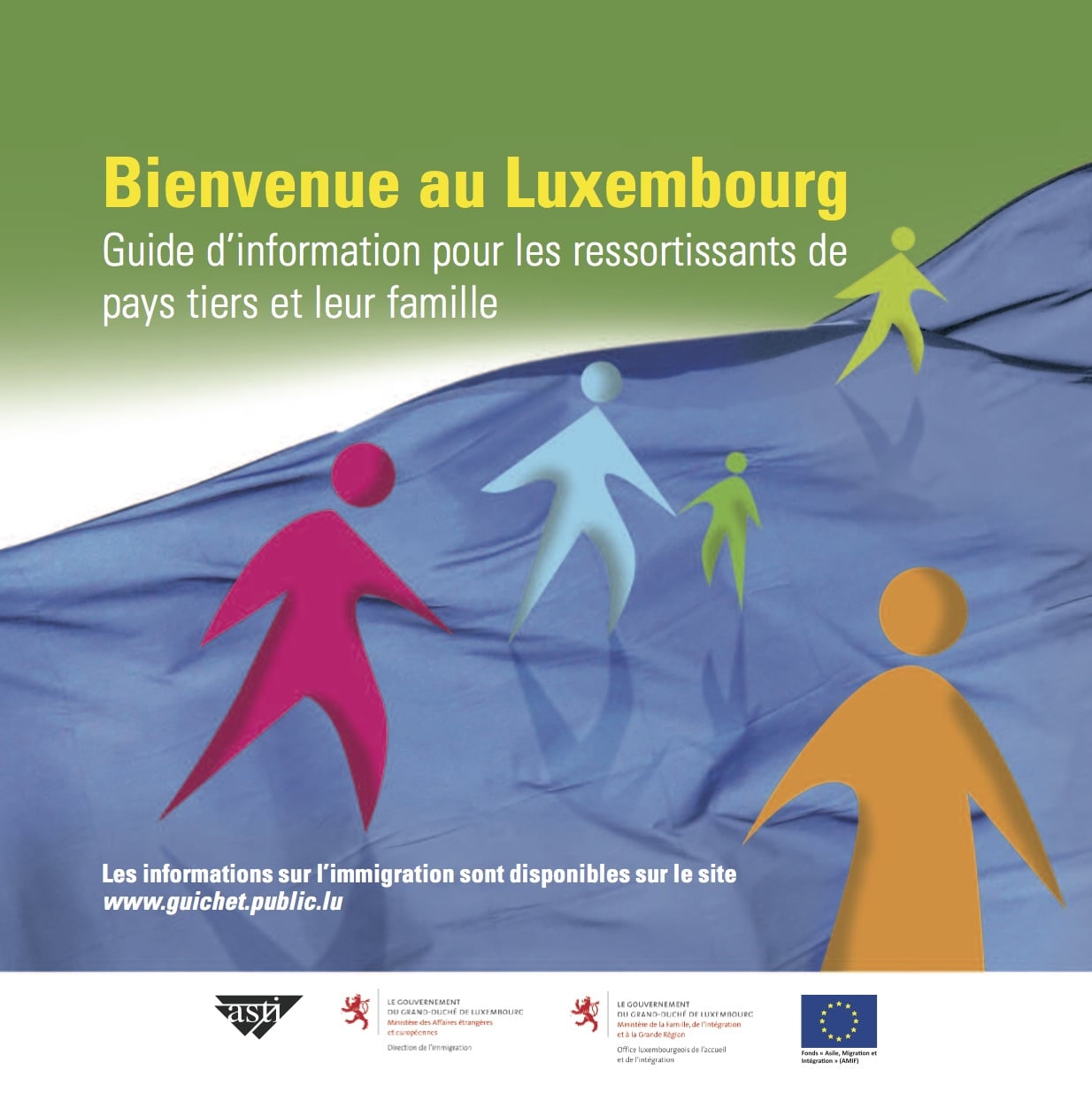
français
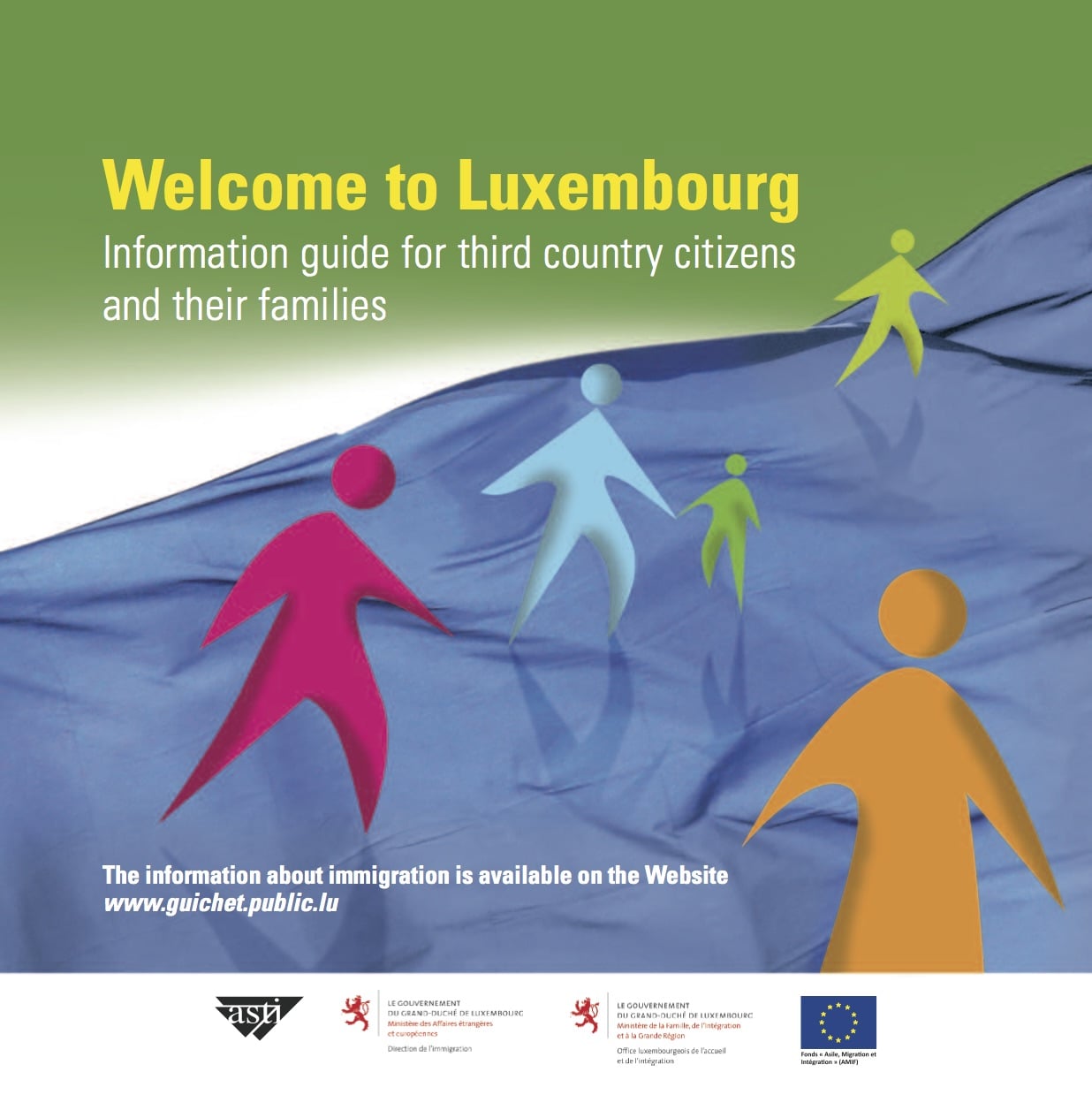
english
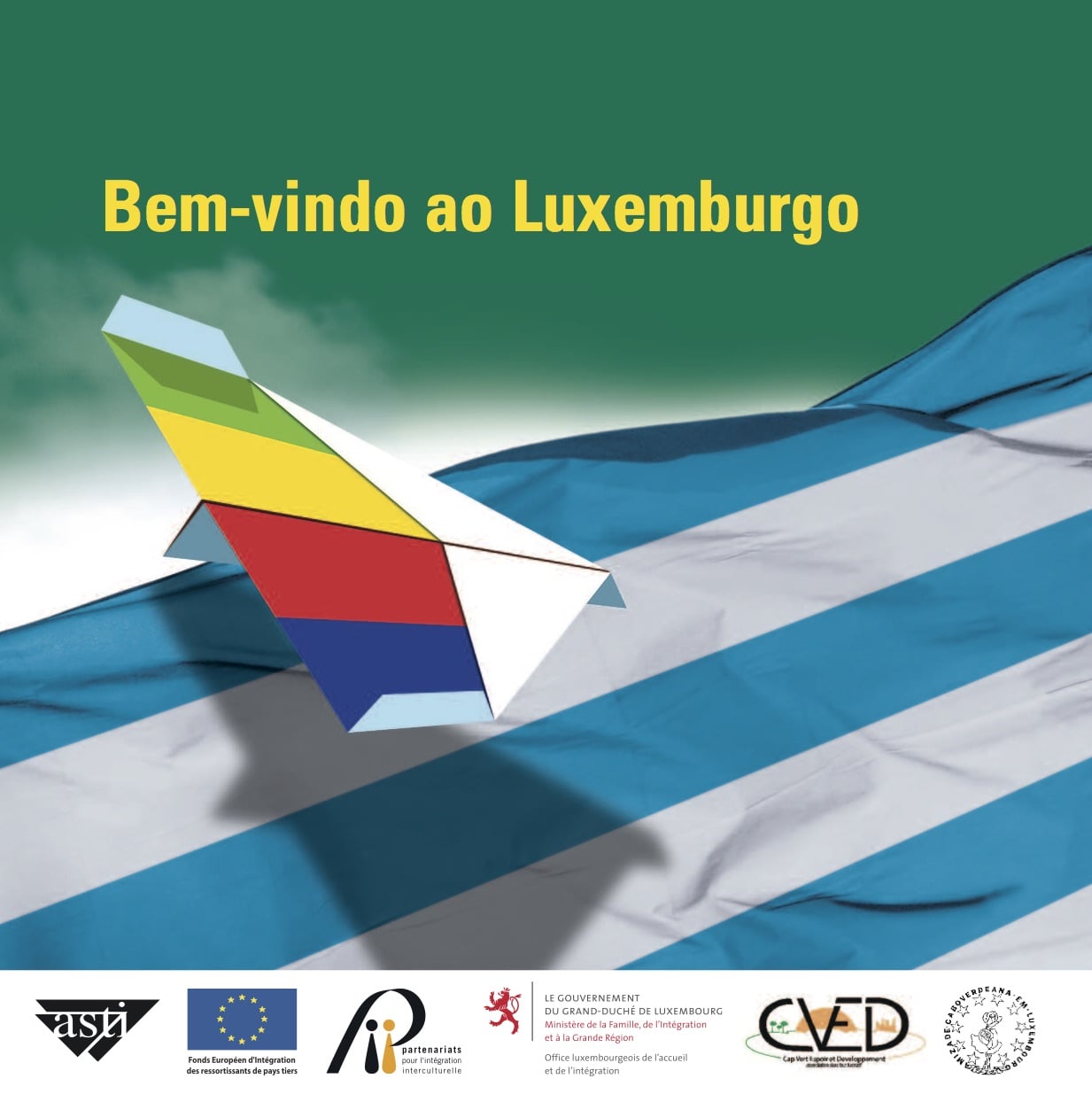
portugues
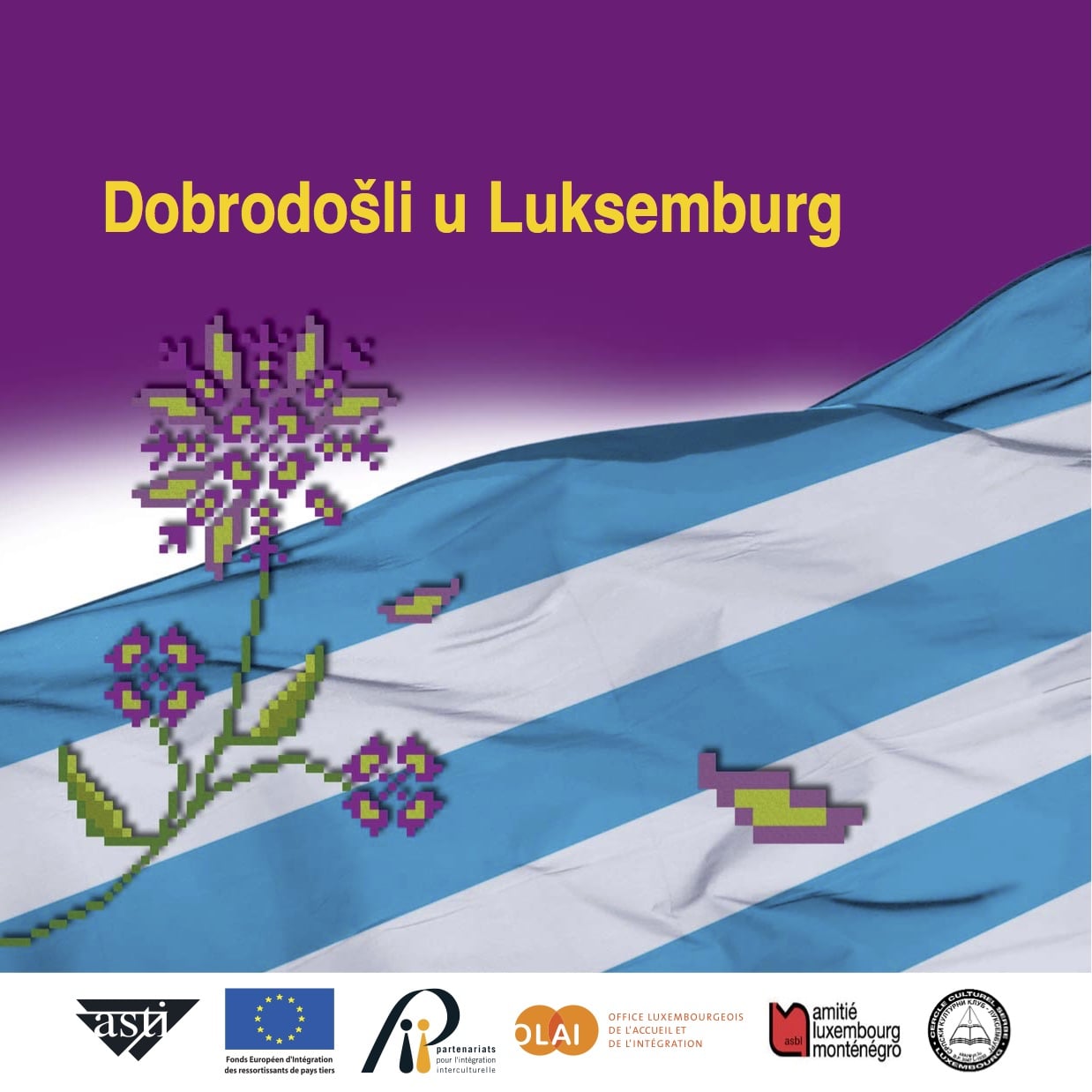
BCMS
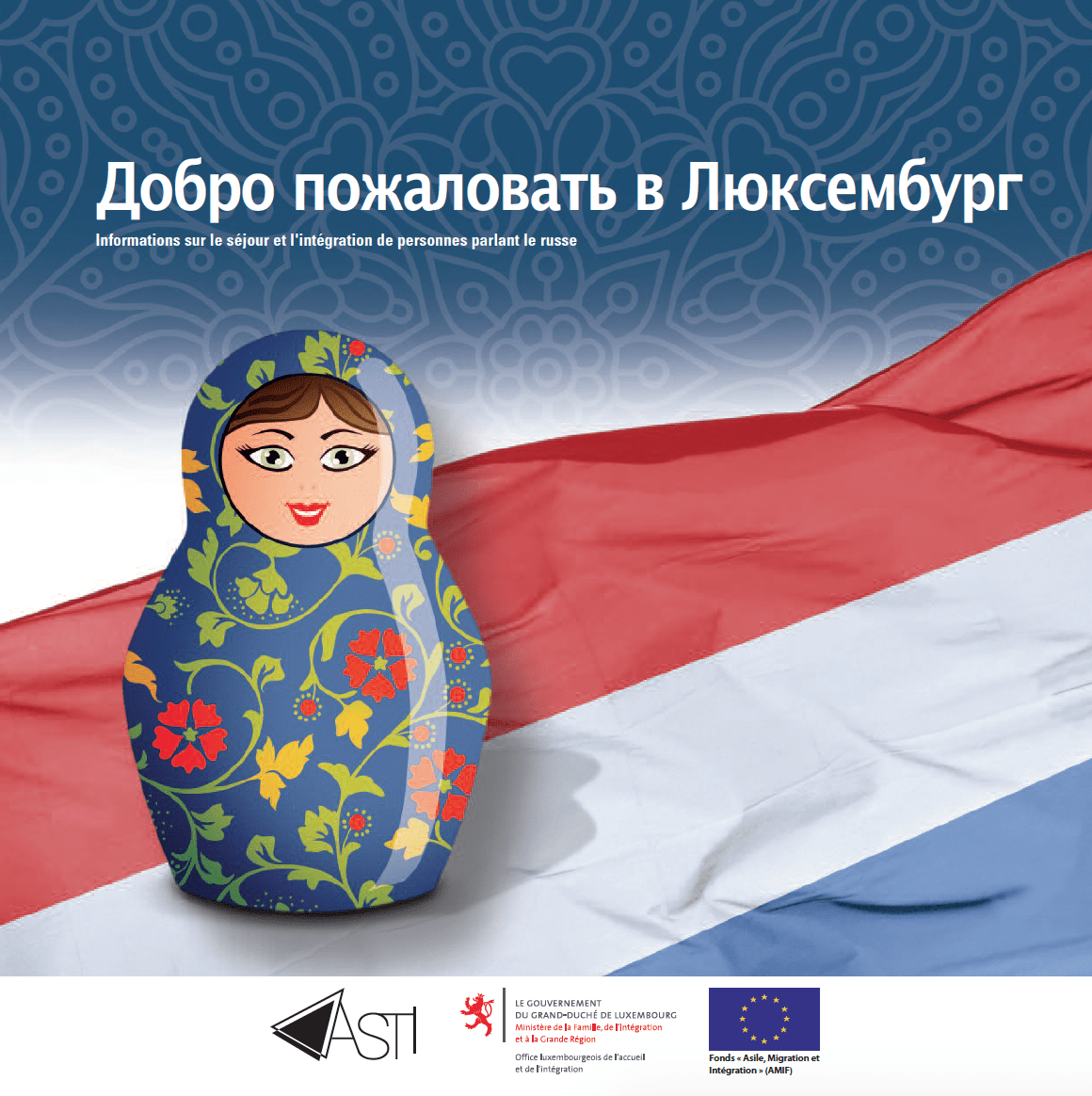
russian
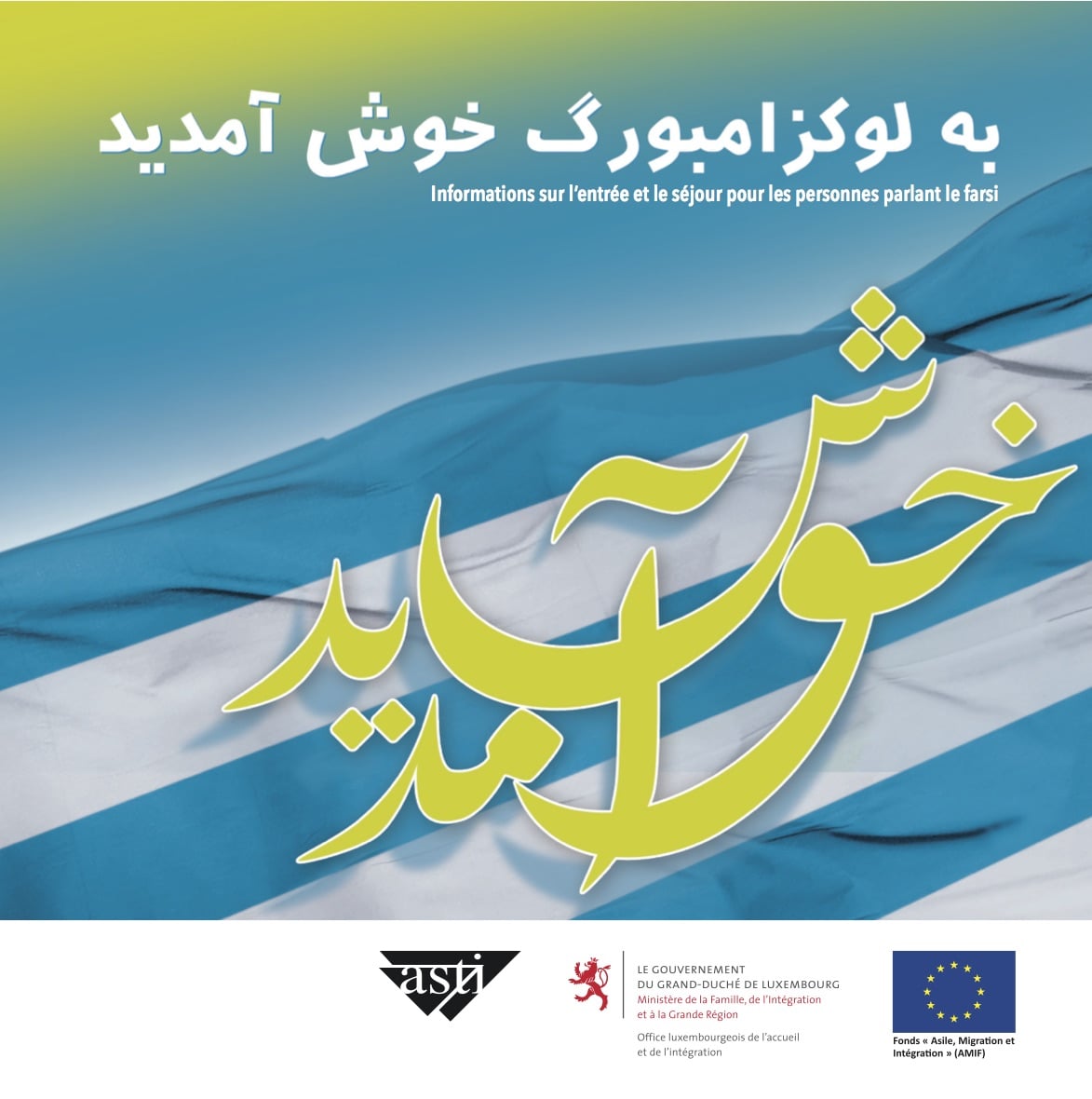
فارسی
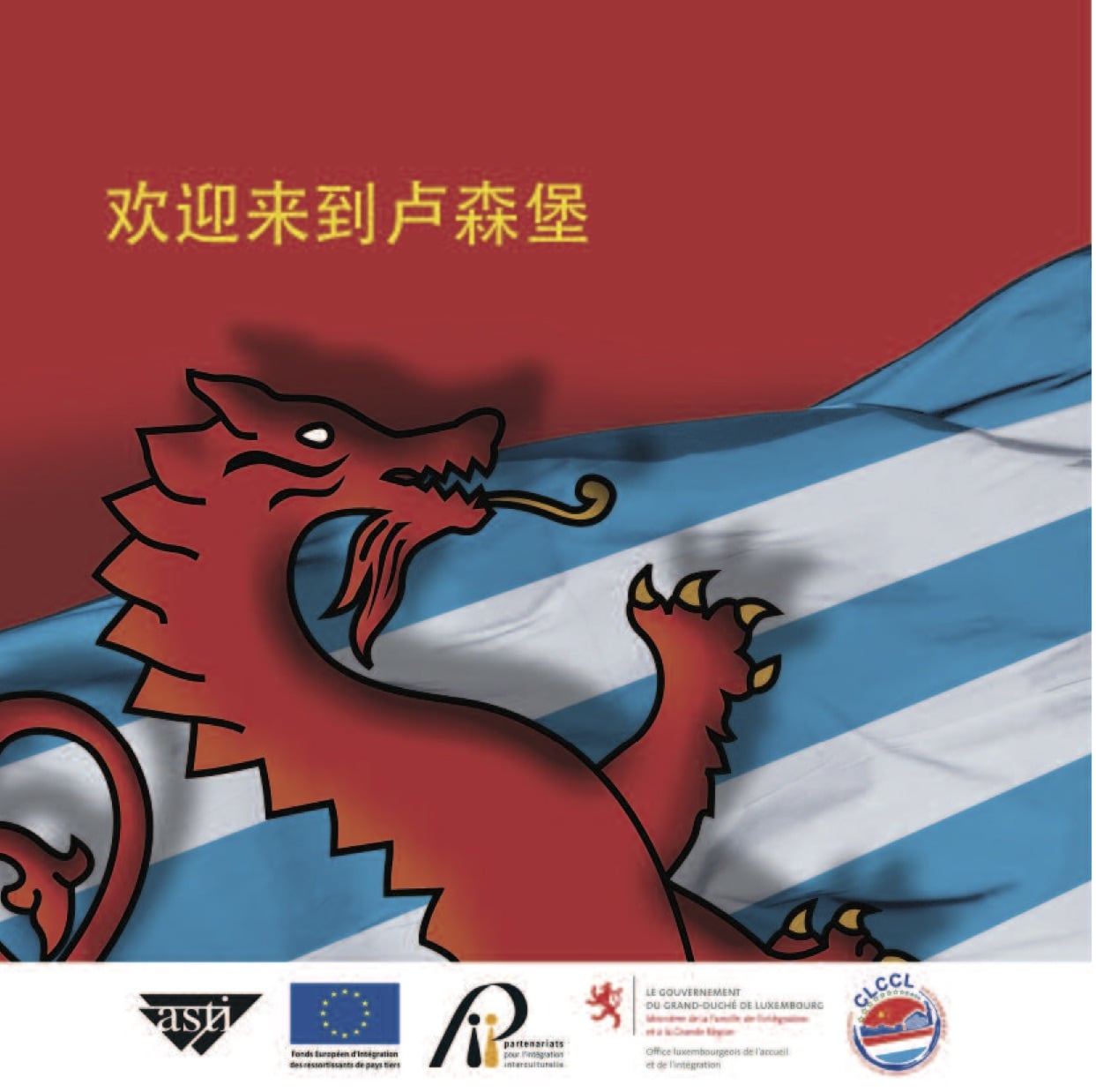
chinese
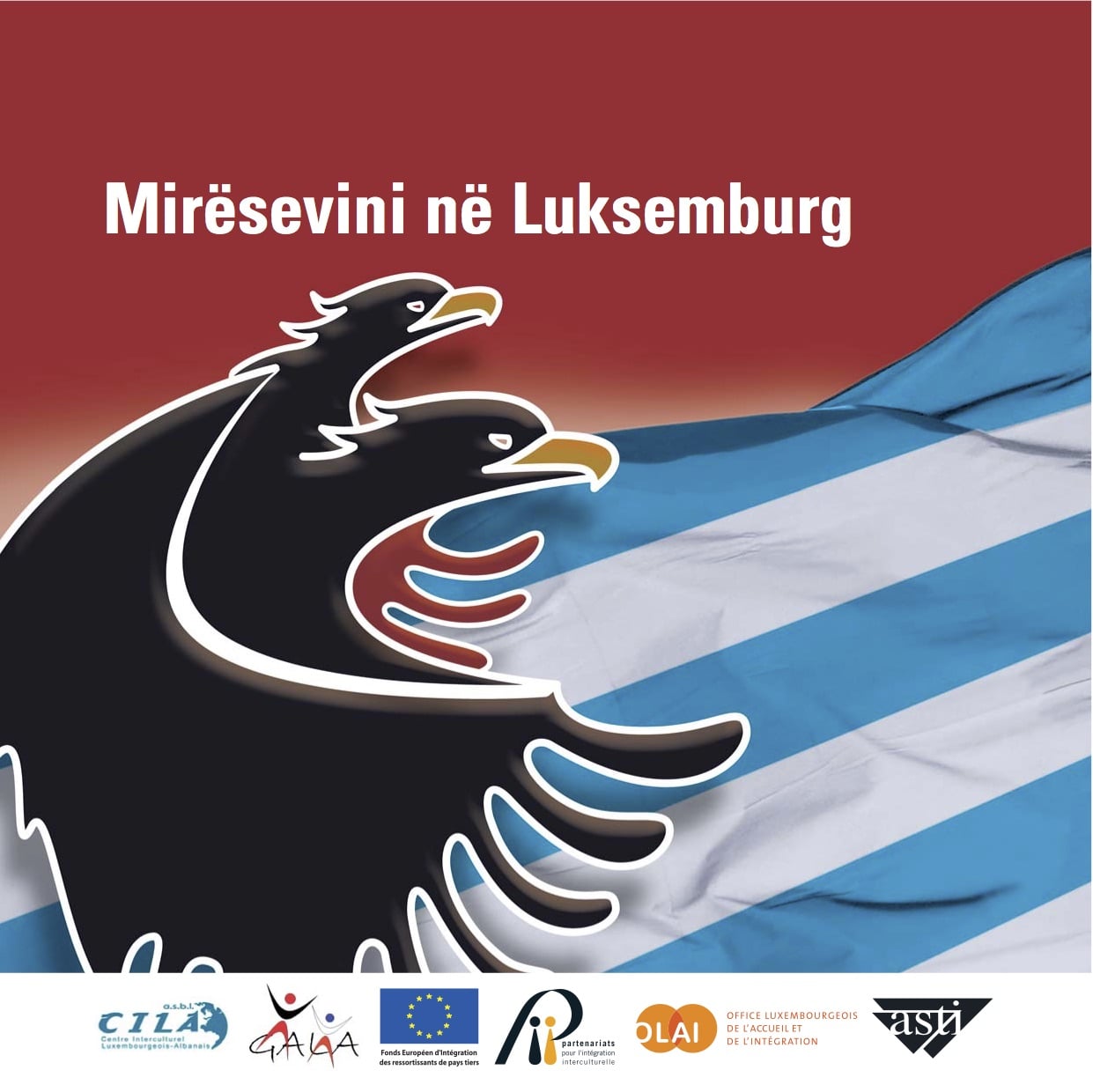
shqiptar
arabic guide in english
عربى
Brochures de bienvenue pour les personnes originaires de l’Union Européenne
français
english
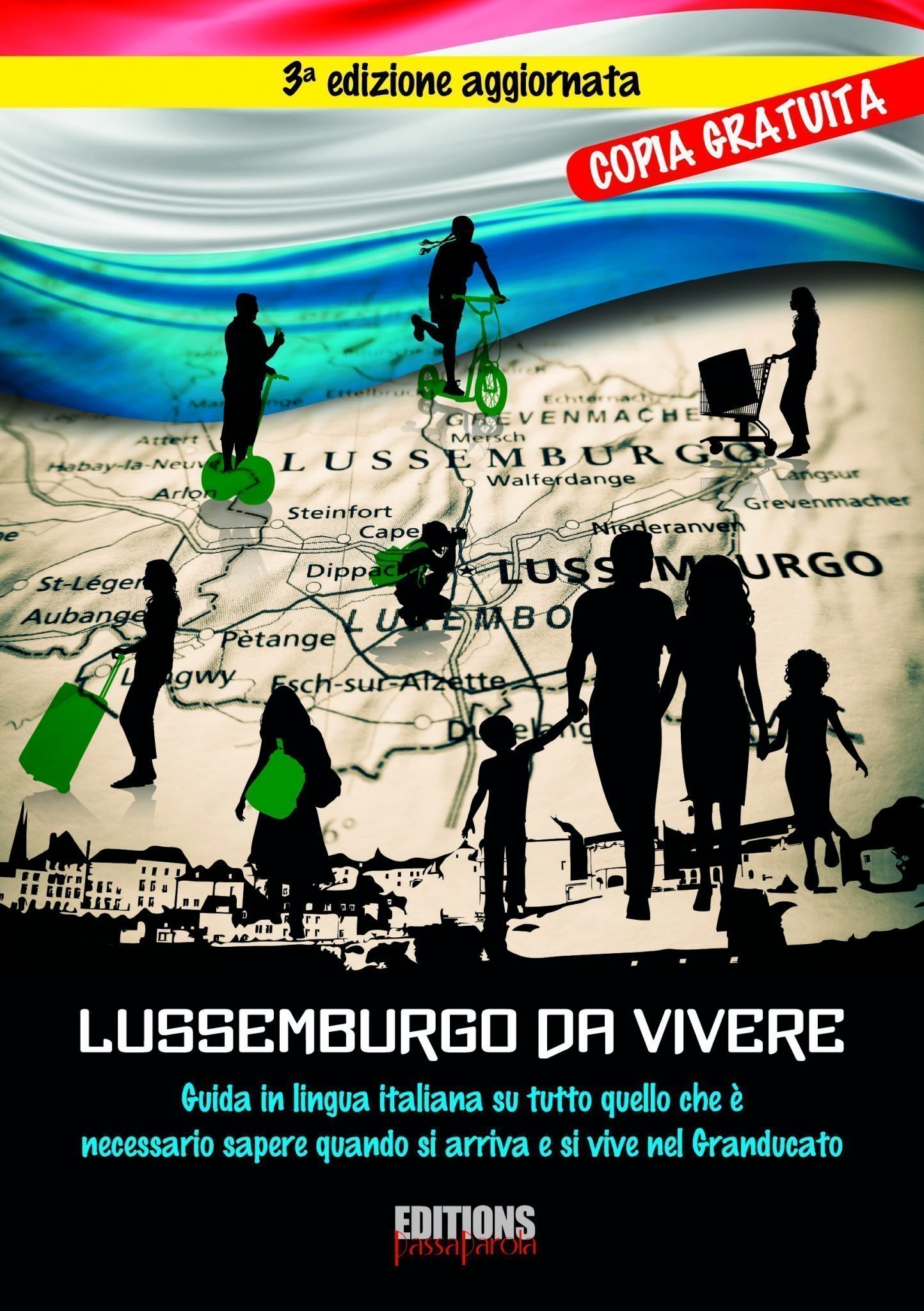
La 3ème édition de la brochure Lussemburgo da vivere regroupe une multitude d’informations qui s’adresse aux migrants italiens arrivés au Grand-Duché. La nouvelle édition est le résultat d’une collaboration entre PassaParola asbl, qui édite depuis 2004 PassaParola Magazine et ASTI asbl .
Ce guide comprend toutes les informations pratiques et adresses dont ont besoin les personnes qui viennent vivre et travailler au Grand-Duché. Toutes sortes d’informations administratives sont réparties sur plusieurs thèmes : travail, santé, école, mobilité, religion, logement… On peut aussi y découvre des sites à utiles, l’histoire et des traditions du Grand-Duché.
Ce guide est rédigé en italien et est distribué GRATUITEMENT uniquement en format papier à ASTI
Pour toute commande adressez vous à ensemble@asti.lu
Afficher l’article sur la parution de la 3ème édition de la brochure
Autres brochures
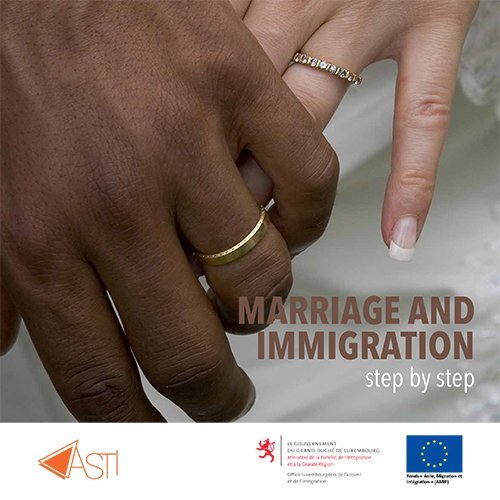
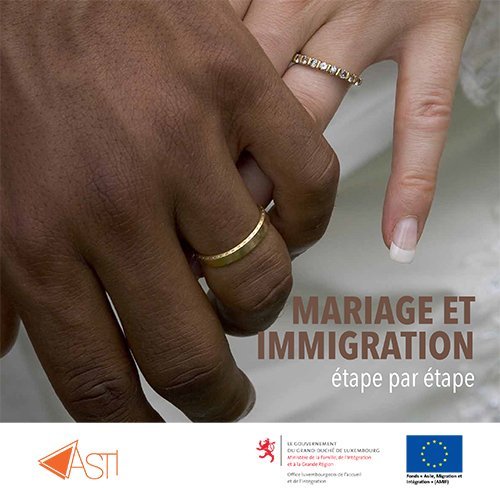
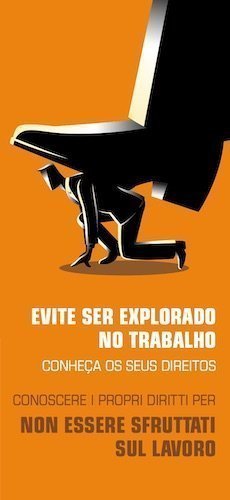
En Décembre 2017 nous avons lancé encore deux autres brochures: Mariage et immigration : étape par étape (FR/EN) et Connaître ses droits pour éviter d’être exploité au travail (FR/EN).
Ces publications ont été réalisées dans le cadre du Projet « Réussir sa migration » financé par l’Office Luxembourgeois de l’Accueil et de l’Intégration (OLAI) du Ministère de la Famille, de l’Intégration et à la Grande Région et le Fonds « Asile, Migration et Intégration » (AMIF)
Brochures Mariage et immigration: étape par étape
english
français
portugues

français
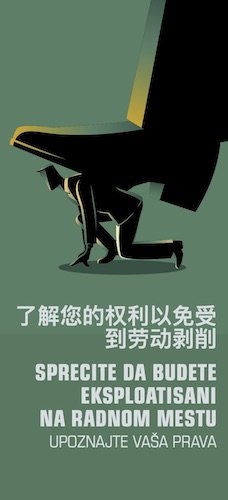
Chinois mandarin et
Serbo-croate/BCMS
Lëtzebuerg. Petit guide pour comprendre le pays qui vous accueille
L’objectif de ce guide est de fournir des informations utiles sur la vie quotidienne au Luxembourg.
Il met l’accent sur des manières d’être et d’agir qui sont courantes ici, et que nous aimerions qu’un nouvel arrivant venant d’un autre horizon culturel apprenne à connaître, à respecter et à reprendre à son compte.
Auteurs : Christiane Tonnar-Meyer et Siggy Koenig
Lire le communiqueé de presse concernant parution du petit guide
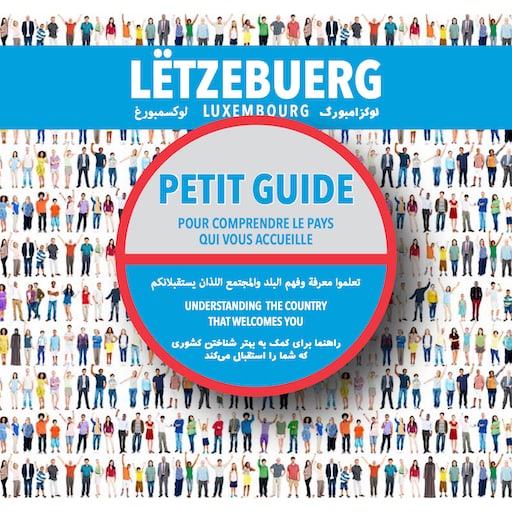
Multilingue: 🇫🇷 🇬🇧 🇮🇷 🇸🇦
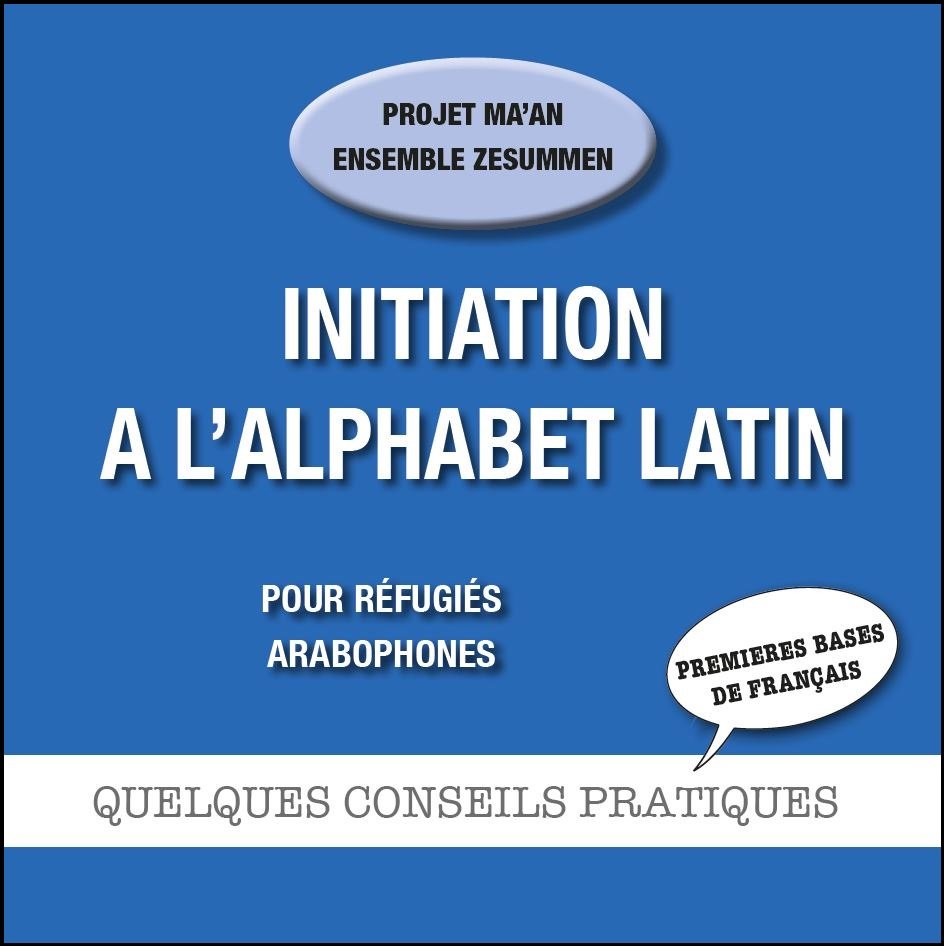
Initiation à l’alphabet latin pour réfugiés arabophones
Ce document s’adresse aux personnes – notamment aux bénévoles – qui donnent des cours aux arabophones. Il se veut donner quelques conseils pratiques, fruits des expériences que nous avons faites avec les cours d’alphabétisation et de préparation à l’apprentissage de la langue française que l’ASTI organise depuis 2016.
Lire le communiqueé de presse concernant parution de ce livret
télécharger
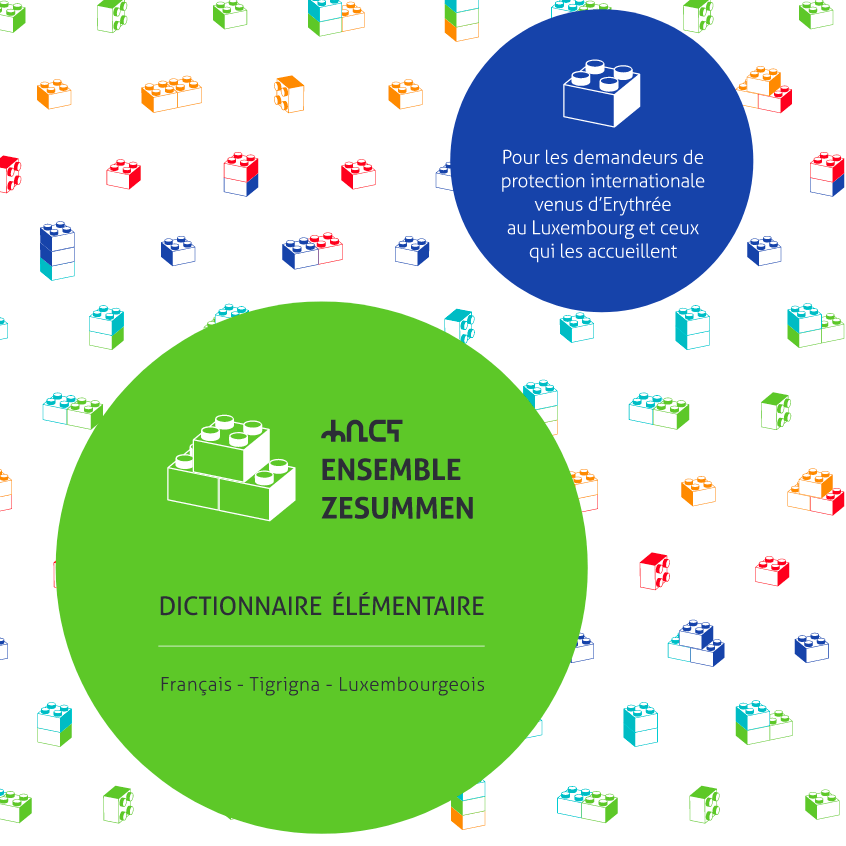
Tigrigna
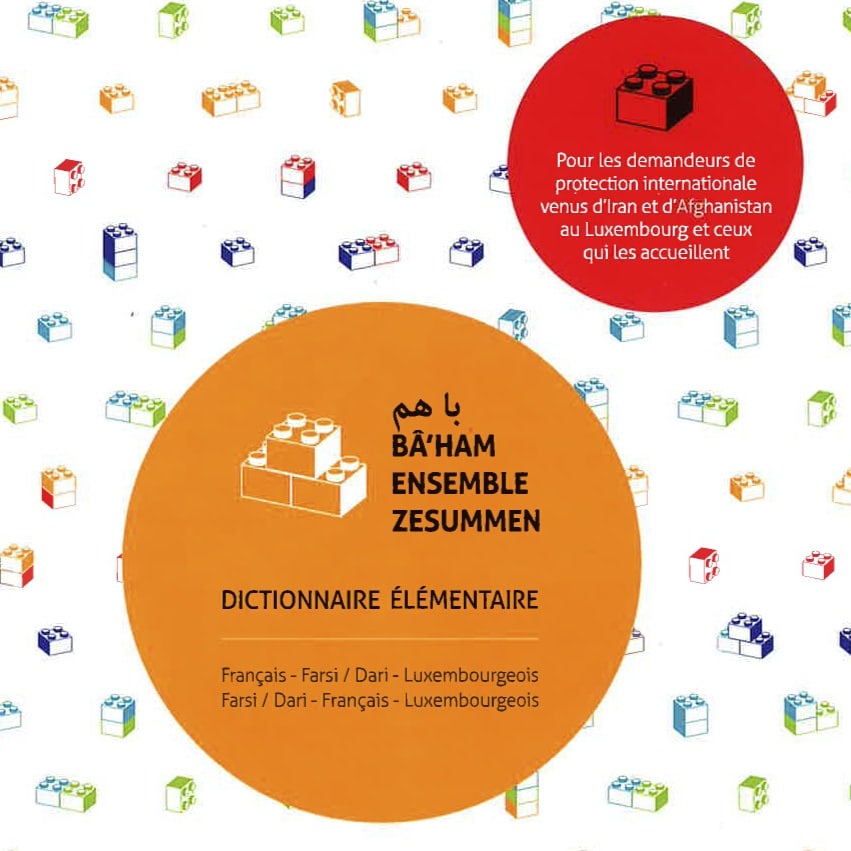
Farsi / Dari
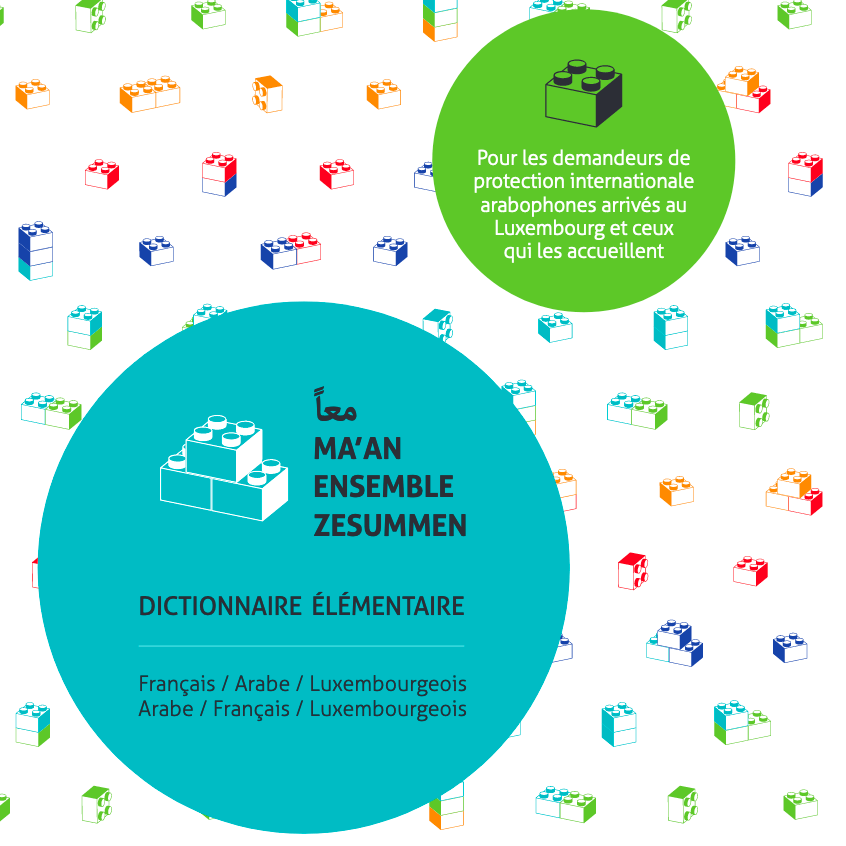
Arabe
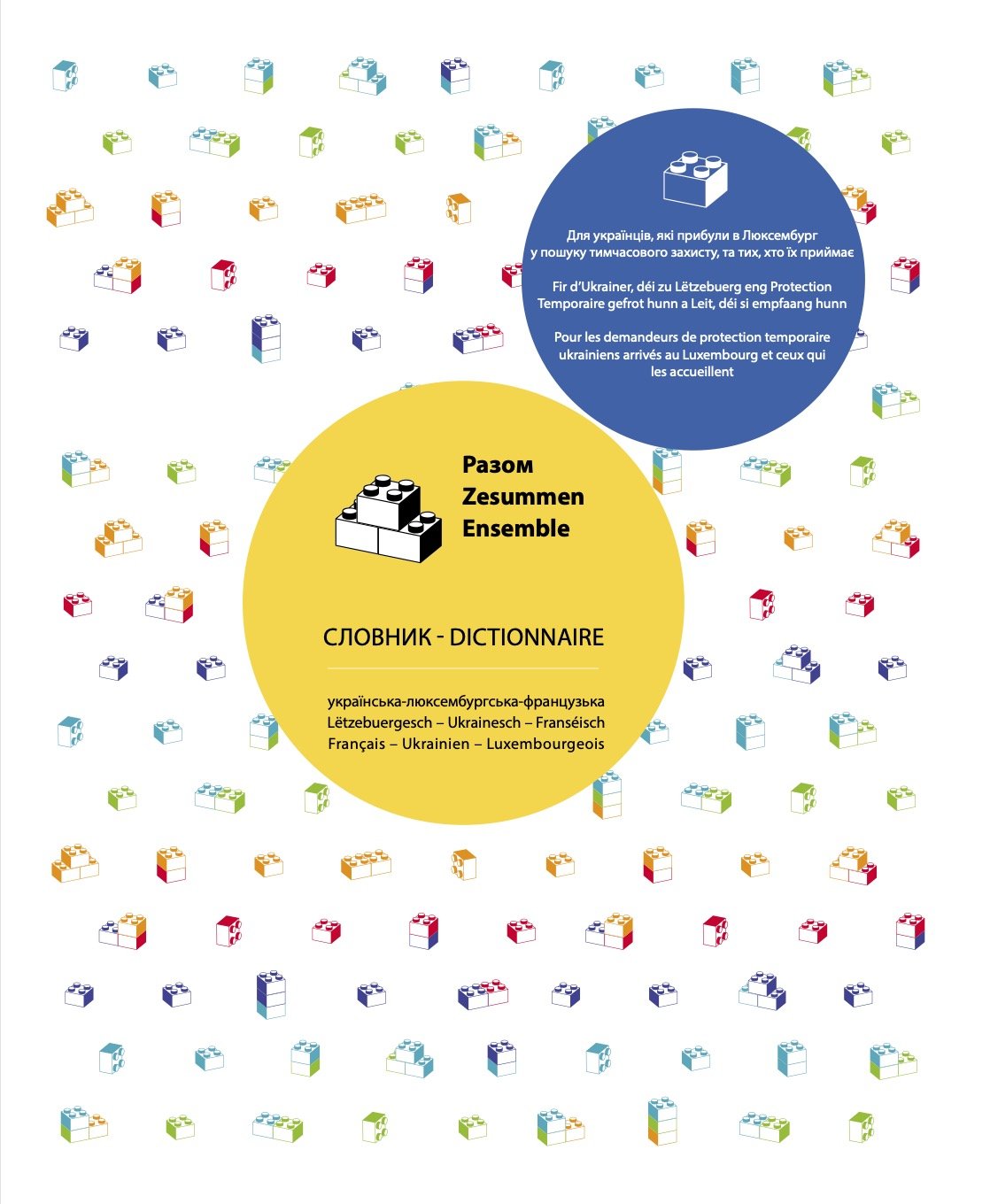
Ukrainien
ℹ️ Pour plus de renseignements ou pour commander gratuitement les brochures imprimées, veuillez contacter l’ASTI asbl au 43 83 33 – 1 ou envoyer un mail à ensemble@asti.lu
Événements à venir
Contact
Nos horaires:
Du lundi au vendredi
de 8h00 à 12h00 et de 14h00 à 18h00
Venez en bus:
Arrêt Place d'Argent / Eecher Plaz
Lignes AVL 10, 12, 21, 23.